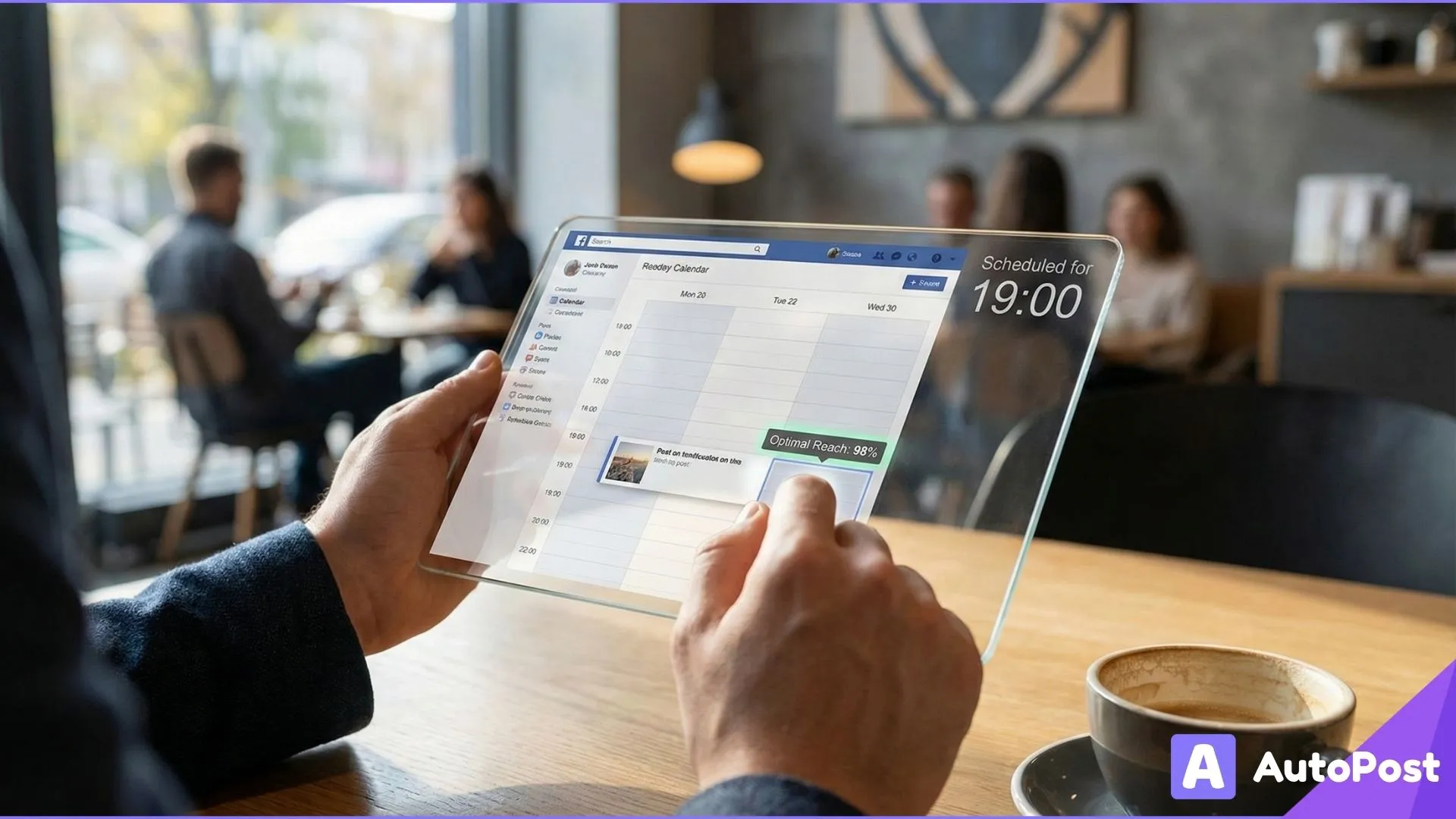
Best Time to Post on Facebook for Engagement and Reach in 2026
Facebook remains one of the most powerful platforms for creators, brands, and businesses to connect with audiences even as new social apps rise and change the way people consume content. Despite the growth of TikTok, Instagram Reels, and short form video, Facebook’s engagement ecosystem is unique: it favors community interaction, meaningful conversations, and content that keeps people on the platform longer.
However, posting on Facebook is no longer a “post and hope” activity. To maximize engagement and reach in 2026, you need a data-driven posting strategy that considers not only what you post, but when you post it.
In this comprehensive guide, I’ll break down everything you need to know about the best times to post on Facebook in 2026 including proven data, platform behavior insights, step by step scheduling tactics, and how to optimize your posting calendar for your specific audience.
🌟 Why Posting Time Still Matters on Facebook
Unlike chronological feeds of the past, Facebook’s algorithm prioritizes posts that spark meaningful interaction, comments, shares, saves, and reactions especially soon after posting.
Here’s why timing still matters:
🔹 Early Engagement Signals
Facebook initially surfaces your post to a subset of your audience. If likes, comments, and shares happen quickly, the algorithm assumes relevance and pushes your content to more people.
🔹 Audience Activity Patterns
People scroll Facebook at certain times of day meaning your content has a higher chance of being seen when more users are active.
🔹 Competition for Attention
Your post competes with others in the feed. Great timing reduces competition and increases the likelihood your audience sees your content.
🔹 Reach and Algorithmic Value
Consistent posting at peak times improves the algorithm’s confidence in you as a reliable creator or brand which can lead to more distribution overall.
In short: posting time influences initial impressions, engagement velocity, and long-term reach which together drive growth.
🕐 What Engagement Means on Facebook in 2026
Before diving into peak posting times, it’s important to understand the key types of engagement Facebook measures:
Engagement Type | What It Signals |
Reactions (Like, Love, etc.) | Surface-level sentiment & popularity |
Comments | Higher meaningful interaction |
Shares | Indicates content value & virality |
Saves | Indicates long-term relevance |
Link Clicks | Indicates interest & conversion potential |
Profile Visits | Indicates curiosity & brand affinity |
In 2026, Facebook’s recommendation system is more sophisticated it weighs both the quality and velocity of engagement. Quick interactions tell the algorithm your content is relevant, while deep interactions (comments, shares) signal strong audience investment.
📅 Best Days to Post on Facebook in 2026
While individual audiences vary, broad patterns emerge from engagement data across industries and demographics.
📌 Top Days for Engagement
Tuesday
Wednesday
Thursday
Friday (late afternoon & evening)
📌 Days With Generally Lower Engagement
Saturday: engagement drops for professional and business audiences
Sunday: users consume content but interact less with brands
These trends are consistent with broader social media behavior studies and platform insights.
🕘 Best Times of Day to Post on Facebook
Posting time is relative to when your audience is actually online. In 2026, data shows strong engagement clusters during:
📊 General Peak Windows
Time Zone | Peak Engagement Windows (Local Time) |
Morning | 8:00 AM – 10:00 AM |
Midday | 12:00 PM – 1:30 PM |
Afternoon | 4:00 PM – 6:00 PM |
Evening | 7:00 PM – 9:00 PM |
These windows align with common user behavior:
Morning scrolling during breakfast or commute
Midday browsing during work breaks
Evening engagement after work hours
Keep in mind: the exact times vary by audience for example, global audiences or regions with multiple time zones may have overlapping peaks.
📈 Data-Driven Approaches to Optimal Posting Times
Instead of relying solely on generic times, the best approach combines data and audience insight.
1. Facebook Insights: When Your Fans Are Online
Facebook’s native analytics now shows when your audience is most active day by day and hour by hour.
Navigate to Insights → Audience → When Your Followers Are Online
Identify consistent engagement patterns
Adjust posting schedule accordingly
2. Experimentation Windows
Try posting at different times across:
Weekdays vs weekends
Morning vs mid-afternoon vs evening
Active vs passive consumption hours
Track which posts get early engagement, then refine your posting calendar.
3. Use Tools That Recommend Times
Third-party scheduling platforms like AutoPost analyze your performance history and suggest the optimal posting times based on engagement patterns saving you guesswork.
📅 Optimizing Your Weekly Posting Schedule
Here’s a sample calendar template based on common engagement trends (adaptable to your niche):
Day | Best Posting Times (Local) | Engagement Focus |
Monday | 10:00 AM, 4:30 PM | Start the week strong |
Tuesday | 9:00 AM, 2:00 PM | Professional and business audiences |
Wednesday | 8:00 AM, 6:00 PM | Mid-week peak |
Thursday | 12:00 PM, 7:30 PM | Pre-weekend boost |
Friday | 11:00 AM, 5:00 PM | High afternoon interaction |
Saturday | 11:00 AM | Light engagement |
Sunday | 5:00 PM | Evening browsing |
This schedule mirrors broader user habits, but your audience may shift slightly so refine with analytics.
📌 How Posting Time Affects Reach vs Engagement
It’s important to distinguish:
Reach how many people see your post
Engagement how many people interact with it
Posting during peak activity increases reach but if your content isn’t compelling, reach won’t translate into engagement. Great content plus smart timing boosts both metrics.
Examples:
A post at peak time with weak messaging may get impressions but few interactions.
A post at a slightly less optimal time with stronger hooks and calls to action may outperform.
In 2026, consistency trumps luck, timing only amplifies quality content.
🧠 Platform Behavior and Engagement Signals
Facebook has evolved its algorithm to emphasize meaningful interactions content that creates real dialogue or shared value.
What Facebook Rewards (2026)
Comments that spark replies
Shares especially to groups or external platforms
Saves indicating future value
Longer dwell time on posts and links
What Facebook Disregards
Passive likes with no discussion
Low interaction posts shortly after publishing
Repetitive posting without value signals
Posting at times when your audience is active increases the likelihood these stronger engagement signals occur early which helps boost distribution.
📲 How Different Content Types Perform by Time
📹 Video Posts
Videos typically perform better during evening and late afternoon, when users have more time to watch content.
📸 Image and Carousel Posts
These can perform steadily throughout the day, with a slight peak around lunchtime and mid-afternoon.
📄 Link Posts or Long Form Captions
These often get better engagement during evening browsing sessions when users are more likely to slow down and absorb content.
🗳️ Polls & Interactive Posts
Interactive formats (polls, Q&A, reactions) tend to peak in late afternoon and evening, when users are more willing to participate.
Craft your posting strategy based on the formats you use most.
📌 Real Examples: Time-Based Engagement Improvements
Example 1: Brand A (Lifestyle Influencer)
Originally posted at random times → low engagement
Adjusted to 12 PM and 6 PM on weekdays →
→ 50% increase in reactions, 35% increase in comments
Example 2: Business Page B (E-Commerce)
Posted at 9 AM only
Shifted to 8 AM, 1 PM, and 7 PM
→ Reach increased 40%, link clicks increased 25%
These shifts weren’t dramatic, but they were consistent and consistent compounds.
📅 Scheduling Best Practices for Engagement Growth
Here’s how to schedule posts efficiently:
🔁 Batch Your Posts
Plan content for the week then schedule at optimal times.
⏰ Use Scheduling Tools
Platforms like AutoPost allow you to:
Schedule in advance
Receive time recommendations
Cross post to other networks
Track engagement
This removes manual posting and keeps your presence active.
📌 Re Optimization
If a post did exceptionally well at a certain time, note that time slot it may repeat success for similar content.
📊 Measuring Performance After Posting
Don’t just post and forget. To refine your schedule:
Key Metrics to Track:
Reach
Engagement rate (likes, comments, shares)
Click-throughs (if links are involved)
Video watch time
Save count
Tools to Use:
Facebook Insights
AutoPost analytics
Third party dashboards
Analyze patterns weekly and monthly to refine your posting times.
📈 Common Timing Mistakes to Avoid
Even great content can fail if posted at the wrong times.
❌ Posting at random times
Without data, you’re leaving engagement to chance.
❌ Posting too late or too early
Your audience may be asleep or offline.
❌ Ignoring audience time zones
If your audience is global, stagger your content for multiple peaks.
❌ Posting without follow-up engagement
Quick replies to comments early after posting help the algorithm push the post further.
🤝 How Engagement Timing Varies by Audience Type
Your audience’s demographics matter.
📌 Younger Audiences
Peak evenings and weekends
More interaction through stories and reactions
📌 Professional Audiences
Morning and early evening
Higher interaction on weekdays
📌 International Audiences
Track global peak windows
Use scheduling tools for time zone optimization
Understanding your audience’s routines helps refine timing for deeper engagement.
🔁 Repurposing Content Across Platforms
Your Facebook posting schedule should consider cross platform strategy:
Reuse video content on Instagram Reels (with aspect adaptation)
Share link posts from Facebook to LinkedIn for professional engagement
Clip Facebook videos for TikTok or YouTube Shorts
Cross-platform engagement feeds more activity back into your core Facebook presence.
📍 How Tools Like AutoPost Improve Timing & Growth
Timing optimization is complex, but tools like AutoPost make it easier.
AutoPost helps you:
✔ Automatically recommend best posting times based on past data
✔ Schedule posts across multiple time windows

✔ Track engagement performance by time
✔ Visualize trends over weeks and months
✔ Integrate posting with cross platform strategy
Instead of guessing when your audience is online, AutoPost learns and suggests times where engagement historically spikes.
🧠 Final Thoughts: Timing Isn’t Everything But It Changes Everything
In 2026, Facebook engagement isn’t random, it's predictable with the right strategy.
The best time to post on Facebook is a blend of:
Audience behavior
Content type
Platform trends
Performance data
If you combine smart timing with strong content and consistent engagement habits, Facebook becomes not just a platform you post to but a place where your audience regularly interacts, shares insights, and connects with your brand on a deeper level.
Timing amplifies your content and timing, when paired with strategy and consistency, drives growth on Facebook.