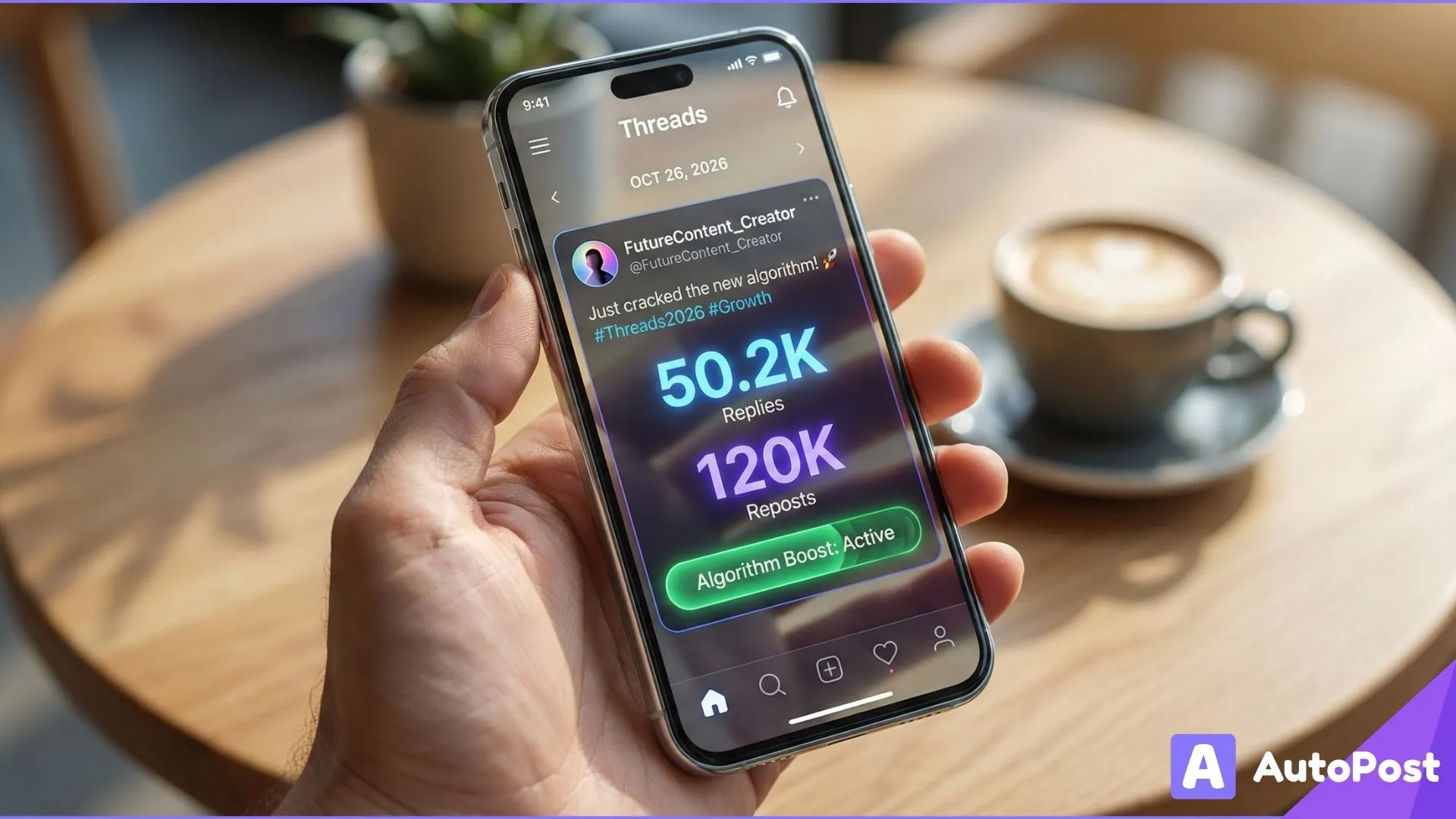
Threads Algorithm Tips for Higher Visibility and Interaction (2026 Guide)
Threads has quickly evolved from a simple text-first companion app into a serious platform for creators, brands, and professionals who want real conversations, reach, and community-driven growth. As Meta continues to integrate Threads more deeply with Instagram while still keeping its own identity, understanding how the Threads algorithm works is no longer optional; it's a competitive advantage.
This in-depth guide breaks down how the Threads algorithm works in 2026, what signals matter most, and exactly how creators and brands can optimize content for higher visibility, stronger interaction, and long-term growth. Whether you’re starting from zero or already building momentum, this article gives you practical, repeatable strategies.
How the Threads Algorithm Works (High-Level Overview)
The Threads algorithm is designed around conversation quality, relevance, and sustained engagement rather than pure virality. Unlike short-form video platforms where explosive reach is common, Threads favors content that:
Sparks meaningful discussion
Keeps users interacting over time
Encourages replies rather than passive consumption
Feels authentic and human
Threads evaluates posts using a mix of content signals, engagement signals, and relationship signals, then decides how widely a post should be distributed across:
Followers’ feeds
Recommended feeds
Topic-based discovery surfaces
The stronger these signals are, the more your post is surfaced to users beyond your immediate audience.
Core Ranking Signals in the Threads Algorithm
1. Engagement Quality (Not Just Quantity)
Threads prioritizes how people interact, not just how many people interact.
High-value engagement includes:
Replies that add context or opinions
Back-and-forth conversations in comment threads
Quote replies that extend the discussion
Saves and profile visits after reading a post
Lower-value engagement includes:
Quick likes without follow up
One word replies with no context
A post with 20 thoughtful replies can outperform a post with 200 likes and no conversation.
Optimization tips:
Ask open-ended questions
Share opinions that invite agreement or debate
Write posts that require a response, not just a reaction
2. Relevance to the Reader
Threads uses interest modeling similar to Instagram. The platform tracks:
Topics users engage with
Accounts they reply to often
Posts they spend time reading
Your content is more likely to be shown to users who have interacted with similar topics before.
Optimization tips:
Stick to clear content themes
Avoid random topic switching
Use consistent language and terminology around your niche
3. Relationship Strength
Threads favor posts from accounts a user has interacted with previously.
Strong relationship signals include:
Mutual replies
Frequent comment exchanges
Profile visits
Follows that lead to ongoing interaction
This means community-building beats follower count.
Optimization tips:
Reply to comments quickly
Engage with other creators in your niche
Build recognizable recurring interactions
4. Freshness and Posting Timing
Threads give a visibility boost to fresh posts, especially when early engagement is strong.
The algorithm watches the first 30–90 minutes closely:
If replies and conversations start quickly, distribution expands
If engagement is slow, reach may stall
Optimization tips:
Post when your audience is active
Engage immediately after posting
Avoid posting back-to-back content too quickly
5. Content Originality
Threads strongly favor original thoughts over recycled content.
What performs best:
Personal insights
Real experiences
Unique perspectives on trending topics
What performs poorly:
Copy-paste quotes
Reposted content without commentary
Generic motivational text
Optimization tips:
Share opinions, not summaries
Add personal context to trends
Write like a human, not a brand
Content Formats That Perform Best on Threads
1. Opinion-Driven Text Posts
Strong opinions create conversation. Even short posts can perform well if they:
Take a clear stance
Challenge common beliefs
Invite responses
Example:
“Hot take: Consistency matters more than content quality on Threads. Thoughts?”
2. Question-Based Posts
Questions naturally encourage replies, which feeds the algorithm.
Best question types:
“What’s your experience with…?”
“Do you agree or disagree?”
“Which would you choose and why?”
Avoid yes/no questions unless followed by a prompt to explain.
3. Storytelling and Personal Experiences
Threads users respond strongly to real stories.
High-performing stories often include:
A struggle or mistake
A lesson learned
A clear takeaway
These posts drive longer reading time and meaningful replies.
4. Short Threads (Multi-Post Conversations)
Posting 2-4 connected replies under your own post keeps users engaged longer.
This:
Increases dwell time
Encourages deeper discussion
Signals high-quality interaction
Posting Frequency: How Often Should You Post on Threads?
Consistency matters more than volume.
Recommended posting frequency:
Creators: 1-3 posts per day
Brands: 3-5 posts per week
Overposting can reduce engagement per post and confuse the algorithm.
Best practice:
Focus on one strong post rather than multiple weak ones
Best Times to Post on Threads (General Guidelines)
While timing depends on your audience, general engagement peaks often occur:
Morning: 8-10 AM
Midday: 12-2 PM
Evening: 6-9 PM
The most important factor is early engagement, not the exact hour.
Hashtags on Threads: Do They Matter?
Threads does not rely heavily on hashtags, but they still help with context.
Best practices:
Use 1-3 relevant hashtags
Avoid spammy or trending only tags
Place hashtags naturally in the text
Hashtags support discovery but will not save weak content.
Common Mistakes That Hurt Threads Reach
1. Chasing Virality
Threads rewards consistency and discussion not viral spikes.
2. Ignoring Replies
Not replying kills momentum and relationship signals.
3. Posting Without a Clear Niche
Unfocused accounts struggle with algorithmic relevance.
4. Over Automation
Threads prioritizes authentic interaction. Over automated behavior can reduce reach.
Building Long Term Growth on Threads
Focus on Community, Not Numbers
Small, engaged audiences outperform large inactive ones.
Create Recurring Content Themes
Examples:
Weekly opinions
Daily questions
Creator insights series
Consistency trains the algorithm and your audience.
Measuring Performance on Threads
Key metrics to track:
Replies per post
Conversation depth
Profile visits
Follower growth from engagement
Avoid focusing only on likes.
How Scheduling and Planning Help Threads Growth
While Threads values real-time interaction, planning still matters.
Benefits of planning:
Consistent posting
Better timing
Reduced burnout
Content alignment across platforms
This is where smart scheduling tools become essential.
How AutoPost Helps You Grow on Threads
AutoPost is designed for creators and teams who want consistency without sacrificing quality.
With AutoPost, you can:
Plan Threads content alongside Instagram and Facebook
Maintain consistent posting schedules

Focus on writing better posts instead of worrying about timing
Analyze performance trends across platforms
AutoPost offers a free plan, with paid plans starting from around $12/month, making it accessible for creators at every stage.
Instead of posting randomly, AutoPost helps you build a sustainable Threads strategy that aligns with how the algorithm actually works.
Final Thoughts: Mastering the Threads Algorithm in 2026
The Threads algorithm is not about hacks or shortcuts. It rewards:
Authentic conversation
Consistent presence
Community first thinking
Valuable, original ideas
Creators and brands that treat Threads like a conversation not a broadcast channel will win long term.
If you focus on meaningful interaction, clear content themes, and consistent execution (supported by the right tools), Threads can become one of the most powerful platforms for organic growth in 2026 and beyond.
The algorithm isn’t working against you, it's amplifying the voices that truly contribute.